
Accepting New Patients


Dental care has evolved far beyond routine checkups and one-sided treatment plans. Today, patients are increasingly looking for a more collaborative and transparent approach—one where their voice matters just as much as clinical expertise. This shift has introduced a powerful concept in modern dentistry: active listening and co-diagnosis.
Many people searching online for a dentist near me are not only looking for skilled care but also for a provider who listens, explains, and involves them in decisions. In communities like Palatine, where families and professionals prioritize both health and convenience, patient-centered dental care is becoming the standard.
Understanding how active listening works in dentistry can help patients feel more confident, informed, and comfortable throughout their dental journey.
Meet Our Dentist at Palatine Dental Associates
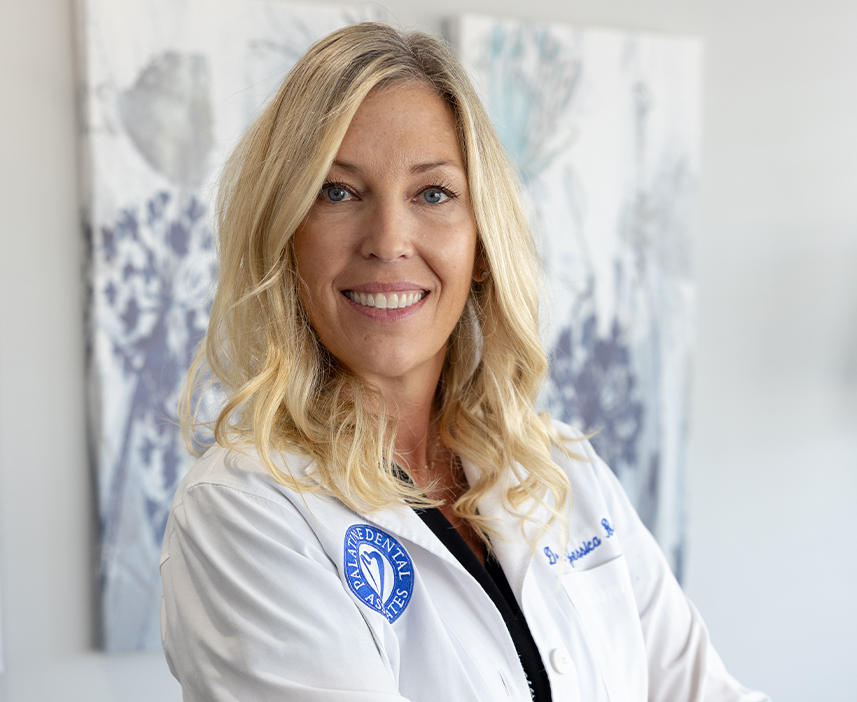
Dr. Jessica Britten-Fazzio, DDS, is a Chicago-area native who discovered her passion for dentistry early on while working as an orthodontic assistant at age 15. She earned her undergraduate degree from Arizona State University and her Doctor of Dental Surgery from the University of Illinois at Chicago in 2006. Since then, she has been serving patients in Palatine and nearby communities, becoming the owner of Palatine Dental Associates in 2008 after her mentor’s retirement.
Dental Care Is a Two-Way Conversation
Traditionally, dental visits were often seen as one-directional. Patients would sit in the chair, receive a diagnosis, and follow the recommended treatment. While clinical expertise remains essential, modern dentistry recognizes that the best outcomes come from collaboration.
Patients bring valuable insights into their oral health, including:
- When symptoms started
- What triggers discomfort
- Lifestyle habits that affect oral health
- Previous dental experiences
By sharing this information, patients help dentists build a more complete picture of their oral health. This two-way communication allows for more accurate diagnoses and better treatment planning.
For individuals searching for a dentist near me, finding a practice that values patient input can make a significant difference in their overall experience.
What Is Active Listening in Dentistry?
Active listening is more than simply hearing what a patient says. It involves fully engaging with the patient’s concerns and ensuring that their perspective is understood.
In dental care, active listening includes:
- Paying close attention to patient concerns
- Asking follow-up questions
- Clarifying symptoms and experiences
- Confirming understanding before proceeding
- Encouraging open communication
This approach allows dentists to gather detailed information that may not be visible during a clinical examination.
When dentists practice active listening, they create a supportive environment where patients feel comfortable sharing their concerns.
Why Patient Input Matters in Diagnosis
Dental diagnoses are not based solely on visual examinations or X-rays. Patient input plays a critical role in identifying underlying issues.
For example, patients may notice:
- Sensitivity when drinking hot or cold beverages
- Pain when chewing on one side
- Jaw discomfort at certain times of the day
- Changes in how teeth feel when biting
These details help a dentist determine the cause of the problem more accurately.
Without patient input, important clues may be missed. By working together, patients and dental professionals can identify issues earlier and develop more effective treatment plans.
What Co-Diagnosis Means
Co-diagnosis is a patient-centered approach where dentists and patients work together to understand dental conditions and decide on treatment options.
In this model:
- The dentist provides clinical expertise
- The patient shares personal experiences and preferences
- Both parties collaborate to choose the best course of action
This approach empowers patients to take an active role in their dental care while still benefiting from professional guidance.
Many patients searching for a dentist near me appreciate this collaborative approach because it allows them to feel informed and involved in their treatment decisions.
How Dentists Guide Patients Through Decisions
While patient input is essential, dentists remain responsible for providing clear, professional guidance.
Effective communication during treatment planning includes:
- Explaining dental conditions in simple terms
- Presenting available treatment options
- Discussing the benefits and potential risks of each option
- Answering questions thoroughly
- Providing recommendations based on clinical expertise
Experienced dentists ensure that patients understand their choices without feeling overwhelmed.
This balanced approach allows patients to make informed decisions while trusting the expertise of their dental provider.
The Role of Transparency in Treatment Planning
Transparency is a key component of patient-centered dental care. Patients should feel confident that they have a clear understanding of their oral health and treatment options.
Transparent communication includes:
- Clearly explaining diagnoses
- Discussing treatment timelines
- Providing realistic expectations
- Reviewing costs and insurance considerations
- Answering questions honestly
When dental practices prioritize transparency, they build trust and encourage long-term relationships with patients.
Patients searching for a dentist near me often value practices that emphasize openness and clarity.
How Active Listening Improves Treatment Outcomes
Active listening and co-diagnosis lead to better outcomes for several reasons.
More Accurate Diagnoses
Patient input provides additional context that helps dentists identify problems more precisely.
Personalized Treatment Plans
Understanding a patient’s lifestyle, preferences, and concerns allows dentists to tailor treatments accordingly.
Reduced Anxiety
Patients who feel heard and informed are more likely to feel comfortable during dental visits.
Increased Treatment Success
When patients understand and agree with their treatment plans, they are more likely to follow through with recommendations.
For many Palatine residents, these benefits contribute to a more positive and effective dental experience.
Examples of Co-Diagnosis in Practice
Co-diagnosis can be applied in many areas of dental care.
Choosing Between a Filling or Crown
Patients may discuss factors such as durability, cost, and long-term outcomes when deciding between treatment options.
Addressing Bite or Jaw Concerns
Patients experiencing discomfort can work with their dentist to identify patterns and determine appropriate solutions.
Cosmetic Dental Treatments
Patients can share their goals for improving their smile, allowing dentists to recommend suitable options.
Preventive Care Planning
Dentists and patients can collaborate on creating oral hygiene routines tailored to individual needs.
Patients visiting a dentist near me benefit from being actively involved in these decisions.
How Patients Can Participate in Their Dental Care
Patients play an important role in the co-diagnosis process. Being actively involved in dental care helps ensure better outcomes.
Patients can participate by:
- Sharing symptoms and concerns openly
- Asking questions about diagnoses and treatments
- Discussing preferences and goals
- Following recommended oral hygiene practices
- Attending regular dental visits
Open communication helps build a strong partnership between patients and dentists.
Building Trust Through Communication
Trust is one of the most important aspects of any healthcare relationship. In dentistry, trust is built through consistent communication, transparency, and patient involvement.
When patients trust their dental provider, they are more likely to:
- Attend regular appointments
- Follow treatment recommendations
- Maintain good oral hygiene habits
- Feel comfortable discussing concerns
Establishing a long-term relationship with a trusted dentist near me can lead to better oral health and a more positive dental experience.
Supporting the Palatine Community with Patient-Centered Care
Palatine is home to a diverse community of families, professionals, and individuals who value quality healthcare. With busy schedules and active lifestyles, residents appreciate dental care that is both efficient and patient-focused.
Practices that emphasize active listening and co-diagnosis provide a higher level of care by ensuring that patients feel heard, respected, and involved.
For those searching for a dentist near me, choosing a dental office that prioritizes communication can make dental visits more comfortable and effective.
Key Takeaway
The science of active listening highlights an important shift in modern dentistry. Rather than a one-sided approach, dental care is now a collaborative process where patients and professionals work together to achieve the best outcomes.
By sharing concerns, asking questions, and participating in treatment decisions, patients can take an active role in their oral health. At the same time, dentists provide the expertise and guidance needed to ensure safe and effective care.
If you have been searching for a dentist near me or experienced dentists who prioritize communication and patient involvement, choosing a practice that values co-diagnosis can enhance your dental experience.
At Palatine Dental Associates, the focus is on building strong patient relationships through clear communication, transparency, and personalized care.
Contact Palatine Dental Associates at (847) 996-9517 today to schedule your appointment and experience dental care that puts your voice at the center of every decision.
Back to Blog